Blogs
“When health meets heart, the conversation begins, and it starts here.
Knowledge that empowers. Stories that connect. Support that matters.”
~ DRM Wellness
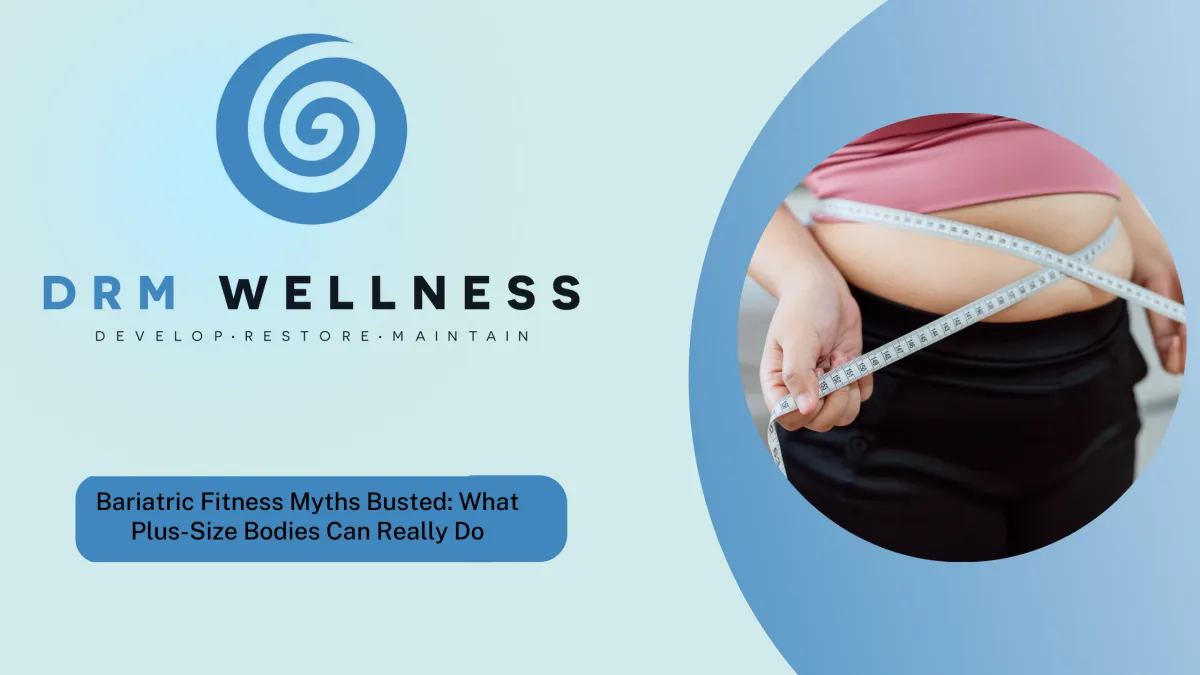
Bariatric Fitness Myths Busted: What Plus-Size Bodies Can Really Do
When it comes to fitness, there are a lot of myths floating around, especially about plus-size and bariatric bodies. Too often, the fitness industry focuses on weight loss alone, rather than strength, confidence, or overall wellness. As a result, many people in larger bodies are made to feel like they don’t belong in gyms or that exercise isn’t for them unless it leads to a smaller number on the scale.
The truth? Fitness is for every body, and plus-size bodies are capable of far more than most people give them credit for. Let’s bust some of the most common myths.
Myth #1: “You have to lose weight before you can exercise.”
This is one of the most damaging myths in fitness and healthcare, and it stops far too many people from ever getting started. The truth is, exercise is beneficial at any size. Movement improves your health and quality of life regardless of the number on the scale, and waiting to “get smaller first” only delays those benefits.
Exercise isn’t just about burning calories or shrinking your body, it’s about building a healthier, more resilient version of yourself. Regular movement can:
Strengthen your heart and improve circulation
Build muscle that supports your joints and reduces pain
Boost energy levels and combat fatigue
Improve balance and coordination, lowering fall risk
Reduce stress, anxiety, and depression
Increase confidence and self-efficacy in everyday life
You don’t need a certain BMI to start. You don’t need to “earn” your place in a gym or fitness class by losing weight first. You can begin today with the body you have, and every step counts. In fact, research consistently shows that movement itself, independent of weight loss, improves health markers like blood pressure, cholesterol, blood sugar control, and mobility.
Think of exercise as a momentum-builder. Starting where you are right now helps you create habits, gain confidence, and feel the benefits quickly. Waiting until you hit a certain number on the scale means postponing progress you could be making today.
The goal isn’t to fit into a certain size before you’re “allowed” to move. The goal is to move so you can live fully, with strength, energy, and independence, no matter what size you are.
Myth #2: “Plus-size people can’t build real strength.”
This myth is not only false, it’s insulting. Strength is not defined by body size. In fact, many plus-size and bariatric clients already possess a level of natural strength that surprises people. Think about it: carrying extra weight day after day is a form of resistance training. Every step, every stair, every movement is done under load. That builds muscles that are often stronger and more resilient than those of thinner peers who haven’t experienced the same daily demands.
What’s powerful about this is that it gives plus-size bodies a head start when it comes to strength training. The muscles are already used to working hard, they just need to be guided in ways that maximize safety, confidence, and long-term results. With the right program, that natural strength can be harnessed and expanded to improve mobility, balance, and independence.
Why this matters:
Stronger muscles protect the joints, reducing pain and strain.
Strength translates directly into daily life. Standing up from a low chair, climbing stairs, carrying groceries, or playing with kids and grandkids.
Building strength improves endurance, making everyday activities less exhausting.
Strength also enhances confidence, shifting the focus from body size to body capability.
I’ve seen firsthand how plus-size clients can out-lift, out-squat, and outlast their thinner peers once they’re given the right tools and encouragement. The challenge isn’t ability, it’s often about finding a safe, welcoming space and breaking free from the belief that strength “isn’t for them.”
The truth is simple: plus-size bodies can be incredibly powerful. When we shift the conversation from shrinking to strengthening, clients discover just how much their bodies are capable of. That discovery can be life-changing.
Myth #3: “Exercise has to look like going to the gym.”
For many people, the word “exercise” immediately brings to mind rows of treadmills, crowded weight rooms, and fast-paced classes. But the gym can be intimidating, especially if you’re in a larger body, recovering from surgery, or just starting out. The truth is, exercise doesn’t have to look like the gym at all.
Fitness is really about movement, and movement can happen anywhere. The best exercises are often the ones that prepare your body for real life, the things you do every single day. That’s called functional fitness, and it can be built right at home with little or no equipment.
Examples of Real-Life Exercise You Can Do Anywhere:
Disclaimer: Always consult with your physician or healthcare provider before starting any new exercise program, especially if you have medical conditions or concerns.
Sit-to-Stands from a Chair: Every time you get up from a chair or couch, you’re working your legs and core. Practicing these deliberately is one of the best ways to build strength for independence. Try doing 5–10 sit-to-stands each time you sit down to watch TV.
Carrying Groceries or Laundry: Everyday lifting and carrying builds grip strength, arm endurance, and balance. Instead of dreading the load, think of it as a built-in strength session.
Step-Ups on Stairs or Curbs: Going up a few steps repeatedly trains the same muscles you need for climbing stairs in daily life. Start with one or two steps and build from there.
Wall or Counter Push-Ups: Pressing against a wall or countertop works your arms, chest, and shoulders without having to get down on the floor. It mimics the strength needed for pushing heavy doors or lifting items overhead.
Walking in Short Bursts: You don’t need to walk miles for it to count. Walking around your house during commercial breaks, or doing a lap around the block, boosts circulation, builds endurance, and lifts your mood.
Household Chores as Exercise: Sweeping, vacuuming, gardening, and even cooking all require bending, lifting, and reaching. With intention, these daily tasks double as movement that strengthens your body.
Using Household Items for Resistance: Water bottles, soup cans, or even a backpack filled with books can become effective weights for bicep curls, shoulder presses, or rows.
The beauty of this approach is that it’s accessible. You don’t have to invest in expensive machines or memberships. You don’t have to squeeze yourself into a gym space that feels uncomfortable. By turning everyday activities into purposeful movement, you build strength and stamina in ways that actually translate to your daily life.
The secret isn’t where you exercise, it’s how consistently you move. A few minutes of real-life exercise each day builds momentum, confidence, and health far more effectively than waiting until you feel ready to step into a gym.
Myth #4: “If you’re not thin, you’re not fit.”
This is one of the most persistent and harmful myths in health and fitness. For decades, society has pushed the idea that “fit” automatically means “thin.” But fitness is not about how your body looks in a mirror, it’s about what your body can do.
A plus-size body can climb stairs, carry heavy groceries, do yoga poses, swim laps, hike trails, or lift weights just as well as, and sometimes better than, a smaller body. Fitness is about capability, strength, endurance, flexibility, and balance. None of those qualities are determined by clothing size or body shape.
Why separating fitness from appearance matters:
A person can have a thin body but struggle with weakness, poor endurance, or health conditions.
A person in a larger body may have excellent cardiovascular health, strong muscles, and the stamina to keep up with an active lifestyle.
Health markers like blood pressure, blood sugar, cholesterol, and joint function are far more meaningful than a number on the scale.
When people believe fitness equals thinness, they often overlook their own progress. They might ignore the fact that they’re stronger, sleeping better, or able to do activities they couldn’t do before, simply because their body doesn’t look a certain way. That mindset not only robs people of pride in their accomplishments, it can also discourage them from continuing with healthy habits.
True fitness is measured by:
How easily you move through your daily life
How strong and steady you feel when lifting, bending, or climbing
How your heart and lungs support your activity level
How confident and capable you feel in your own body
The shift from focusing on appearance to focusing on ability is one of the most powerful mindset changes you can make for long-term wellness. When fitness becomes about function and confidence instead of aesthetics, it becomes sustainable. It’s no longer about punishment or shrinking. It’s about celebrating what your body can do today and preparing it to keep doing those things tomorrow.
The bottom line: you don’t have to be thin to be fit. You just have to move, grow stronger, and keep showing up for yourself.
My Journey: Why This Matters to Me
This topic isn’t just professional for me, it’s personal. I’ve lived the ups and downs of body changes and diet culture. Over the years, I’ve been everywhere from a size 6 to a size 26. I’ve tried it all: Atkins, Fen-Phen, GLP-1s, and just about every “miracle” diet that promised quick results. I have struggled with eating disorders….and like so many people, I rode the cycle of hope, disappointment, and frustration that comes with chasing a number on the scale.
What I’ve learned is this: no pill, powder, or fad diet is the answer. They might offer short-term changes, but they don’t build the foundation you need for long-term health and independence. At some point, you hit that moment when you say to yourself, “I need a change.” That moment is different for everyone. Maybe it is a comment, seeing a picture or an event, but it has to be your decision to make a change. You have to do it for yourself. The real change doesn’t come from quick fixes, it comes from creating healthy habits, building healthy routines, and choosing sustainability over extremes.
For me, the most powerful shift was realizing that at the core of everything, movement matters. Not just movement in the gym, not just movement for weight loss, but movement that makes life easier and more enjoyable. Movement that helps you get up from the floor, carry groceries, play with your pets, or keep up with your kids. Movement that reminds you of what your body can do, not just what it looks like.
That’s why I’m so passionate about helping bariatric and plus-size clients. I’ve lived it. I know the pressure, the stigma, the endless cycle of diets. I also know the freedom that comes when you shift the focus away from shrinking and start celebrating your strength, endurance, and independence.
At DRM Wellness, I want to give others what I wish I had years ago: a safe, judgment-free space to build strength, confidence, and healthy routines that last. Fitness isn’t about fitting into a certain size, it’s about building a life you can thrive in.
Building a New Approach to Fitness
The traditional fitness industry has spent decades telling people in larger bodies that they need to shrink before they can belong. At DRM Wellness, we believe the opposite. You don’t need to change your body to “earn” the right to move. You already belong here, exactly as you are.
Our approach focuses on what really matters, building health, confidence, and independence that last a lifetime.
Safe, effective movement that fits your body and your goals: We don’t hand out cookie-cutter workout plans or expect every body to move the same way. Instead, we tailor movement to meet you where you are today, so you can grow stronger safely and confidently.
Functional strength for real life: Fitness isn’t just about gym performance or hitting a personal record. It’s about making everyday tasks easier. Things like climbing stairs, standing up from a chair, carrying groceries, or walking without pain. Those are the wins that matter most.
Confidence, self-compassion, and progress at any size: Exercise should never feel like punishment. We celebrate what your body can do today, while helping you build the skills and endurance for tomorrow. Progress isn’t defined by the scale, it’s defined by capability, strength, and independence.
Support before and after bariatric surgery: The bariatric journey is about more than surgery. It’s about building long-term routines for movement, strength, and wellness. We guide clients through pre-surgery preparation, post-surgery recovery, and long-term maintenance so they feel supported every step of the way.
The truth is simple: plus-size bodies can do amazing things. With the right support and mindset, fitness shifts from punishment to empowerment. It becomes less about restriction and more about joy. At DRM Wellness, we want every client to feel strong, confident, and capable, because movement is not just about changing your body, it’s about changing your life. We believe fitness should be a source of empowerment, not shame. Every client who walks through our door deserves a safe, supportive space to build strength, confidence, and independence…no matter their size. The truth is simple: every body is capable. Every body is worthy. Every body belongs. Remember, your size does not define you... but your strength can transform you.
Take The Next Step with DRM Wellness
Testimonials
Get In Touch
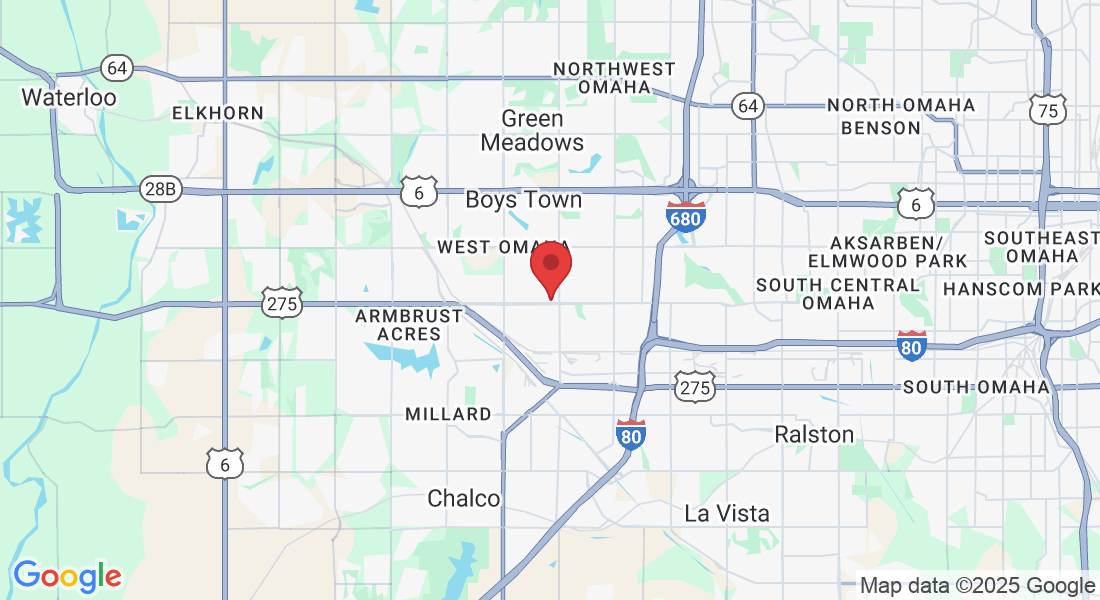
Proudly Serving Omaha and the surrounding areas
MEDICAL DISCLAIMER:
All information on this website is intended for instruction and informational purposes only. The authors are not responsible for any harm or injury that may result. Significant injury risk is possible if you do not follow due diligence and seek suitable professional advice about your injury.
No guarantees of specific results are expressly made or implied on this website.
Copyright © 2025 All Rights Reserved by DRM Wellness.
Facebook
Instagram
LinkedIn
Youtube
TikTok