Blogs
“When health meets heart, the conversation begins, and it starts here.
Knowledge that empowers. Stories that connect. Support that matters.”
~ DRM Wellness
Wellness Fads to Skip & What to Try Instead: Evidence-Based Habits That Actually Support Health
Wellness Fads to Skip & What to Try Instead: Evidence-Based Habits That Actually Support Health
Let’s Be Honest About Wellness Trends
If you’ve been on social media for more than five minutes, you’ve probably seen at least three “miracle” wellness hacks: a detox tea that promises to flatten your stomach, a $400 gadget that “boosts your lymphatic flow,” and someone selling supplements made from powdered sea moss and hope.
The truth is the wellness industry thrives on quick fixes and shiny promises. Most of those fads fade faster than New Year’s resolutions.
What actually works for long-term health has nothing to do with what’s trending and everything to do with evidence, consistency, and habits that fit your real life.
Fads That Sound Great… But Rarely Work
1. Extreme Diets
Let’s just say it: if your “wellness plan” requires you to cut out entire food groups or live on lemon water and cayenne pepper, it’s not wellness. It’s punishment with branding.
Sure, keto, “No Carb January,” and juice cleanses can give you quick results. But most of that “success” is water weight and the sheer exhaustion of trying not to pass out while smelling other people’s lunch.
As an OT, I see this all the time. People want to feel better, but they go from zero to “whole new lifestyle” overnight. The problem is that extreme restriction doesn’t teach you how to eat. It just teaches you guilt, stress, and eventual burnout.
Your body deserves fuel, not constant negotiation. You don’t need to starve to be healthy. You need consistency, balance, and food that helps you function, not just survive.
Try This Instead:
Focus on addition, not restriction. Add one fruit or vegetable to each meal before worrying about cutting anything.
Practice the 80/20 rule. Eat nutritious foods most of the time, and enjoy your favorites without guilt.
Plan meals around energy and function, not numbers. Ask yourself, “Will this help me move, focus, and feel better?”
Sustainable eating isn’t sexy, but it works, and it doesn’t end with you face-deep in a pizza box.
2. Gadget Overload
There’s a fine line between motivation and madness.
Step trackers, posture trainers, smart scales, sleep rings…at this point, our gadgets track us more than the FBI.
Technology can be great when it builds awareness, but once you start chasing numbers instead of results, you lose sight of the goal. You don’t need a smart mirror to tell you how you feel.
Most people start off strong, closing rings, tracking every bite, syncing data daily. Then the battery dies, or the app gets annoying, or life gets busy. The gadget ends up in a drawer next to your abandoned resistance bands.
Try This Instead:
Use tech strategically. A tracker is great if it motivates you to move more, not if it makes you feel like a failure on slow days.
Schedule movement like appointments. You won’t need reminders once it’s routine.
Keep it simple. Set a 10-minute walk timer, stretch while your coffee brews, or use your phone’s reminder app for posture breaks.
The best gadget is the one you’ll actually use and it’s probably your own body.
3. Detox Teas, Powders, and “Fat-Burning” Supplements
I know this is a little controversial. There are a lot of supplements, shakes, and detox products on the market and a lot of people who swear by them. I have friends who sell them, and I’ve tried plenty myself.
If it works for you, awesome. You do you, boo. Seriously. But do your research. Don’t max out your credit card or drain your savings for a meal plan and a pile of powders. Real wellness shouldn’t leave you stressed about your bank account.
Here’s the thing: if something claims to “flush toxins,” burn fat while you sleep, or “reset your metabolism,” it’s probably too good to be true. Most of these products are 99% marketing and 1% regret.
Detox teas are often just fancy diuretics. Fat-burning powders…expensive caffeine. “Superfood” blends…mostly hype and flavoring.
Your body already has a built-in detox system that works beautifully. Your liver and kidneys. That’s literally their full-time job. You don’t need a $60 powder to “cleanse.” You need hydration, real food, and movement that keeps your body doing what it’s designed to do.
Try This Instead:
Hydrate. Water and fiber are the original detox combo.
Eat colorfully. Real fruits, vegetables, and whole grains support your natural detox pathways better than any supplement ever will.
Move daily. Sweating, breathing deeply, and circulating blood do more for your “detox” than any drink in a pouch.
Save your money and your digestive system by skipping the cleanse and trusting your built-in filters.
4. Overtraining and the “No Days Off” Mentality
Somewhere along the way, rest became a dirty word.
Social media loves to glorify the “grind”. The 5 a.m. workouts, the “sweat is your fat crying” shirts, the idea that soreness equals success. But the truth is our body doesn’t get stronger when you’re working out. It gets stronger when you rest and recover.
Overtraining doesn’t build fitness; it breaks it down. It increases inflammation, messes with hormones, and leads to burnout or injury. You don’t need to “go hard or go home.” You just need to go smart.
Try This Instead:
Prioritize active recovery. Walk, stretch, or take a mobility day. Movement doesn’t always mean intensity.
Follow the 2:1 rule. For every two high-effort days, have one that’s lower intensity or restorative.
Listen to your body. If you’re constantly sore, fatigued, or moody, that’s not “discipline.” It’s your body begging for rest.
You don’t get extra points for exhaustion. You get results from balance.
What Actually Works: Evidence-Based Habits
You don’t need a guru or a $600 subscription box. You need the basics. The same things science and occupational therapy have backed for years.
1. Move in Ways That Support Your Life
You don’t need to love the gym to love movement. Exercise doesn’t have to mean a cute workout outfit, a tracker, and a protein shake…unless you want it to. It’s really about moving your body in ways that make your daily life easier…like carrying groceries in one trip, squatting without grunting, or playing with your dog without needing an ice pack after.
Try This:
Find movement you look forward to. Walking, swimming, yoga, gardening, pickleball, it all counts.
Break it into small chunks. Ten minutes three times a day can be just as effective as 30 minutes at once.
Ask yourself, “What do I want my body to be able to do?” Then build your movement around that.
2. Eat for Energy, Not Perfection
Your body runs on food. Not shame, not math, not detox tea…food.
Instead of focusing on what to cut out, think about what to add in. Add color. Add water. Add real meals instead of snacks that never satisfy you. When you shift from restriction to nourishment, your energy changes completely.
Try This:
Focus on balance. Think lean protein, whole grains, fruits, veggies, and some fun.
Make swaps that fit your life. Add veggies to pasta, or choose water once a day over soda.
Notice how food makes you feel. Bloated, tired, energized. That’s feedback, not failure.
3. Rest and Recover
Repeat after me: Rest is not lazy.
Your body doesn’t get stronger when you push harder. It gets stronger when you let it recover. Sleep is your built-in reset button, and yet it’s usually the first thing to go. If you’re running on caffeine and willpower (I struggle with this one all the time), your body will eventually hit the brakes for you.
Try This:
Set a bedtime routine. Dim lights, stretch, breathe, or read something calming.
Keep your phone away for 30 minutes before bed. Your brain needs quiet, not blue light.
If sleep feels impossible, start with rest. Give yourself permission to be still.
Your body heals when you rest. Treat recovery as part of the plan, not the pause button.
4. Mind Your Mind
Your mental health drives everything. Motivation, energy, relationships, even digestion. Stress doesn’t just live in your head; it shows up in your body.
Mindfulness isn’t about sitting cross-legged in silence. It’s awareness. It’s knowing when you’re spiraling, catching yourself mid-scroll, and choosing calm instead.
Try This:
Take five slow breaths before reacting to anything stressful.
Journal, pray, or make gratitude lists.
Go outside and touch grass. Nature really does reset your brain.
Protect your energy. Not every argument or notification deserves your attention.
The goal isn’t to be Zen all the time. It’s to care for your mind the same way you care for your body.
5. Build SMART Goals, Not Big Promises
We’ve all made the “New Year, New Me” list that lasts about six days. The issue isn’t motivation, it’s unrealistic expectations. If you want to learn more about SMART Goals, we have posted a blog on that before. We are big believers in SMART Goals around here!!
SMART goals (Specific, Measurable, Achievable, Relevant, Time-bound) actually work. Instead of saying, “I want to get healthy,” try, “I’ll walk for 15 minutes after dinner three nights a week.”
Try This:
Choose one to three goals max.
Make them easy to achieve. That’s how habits start.
Celebrate progress, not perfection. Missing a day doesn’t erase what you’ve done.
Wellness isn’t about changing overnight. It’s about building a life that feels good to live in.
How to Spot a Wellness Red Flag
The wellness world is loud. Everyone has a miracle powder, a “life-changing” morning routine, or a $299 device that promises abs while you sleep. But not everything labeled “healthy” is actually helpful.
Before you buy the next “must-have” thing, ask yourself:
Does this make sense for my real life?
Is there actual science behind it, or just a celebrity endorsement?
Will it help me feel better long-term, or just temporarily “fix” something?
Is it something I can realistically stick with?
If the answer is no or probably not, it’s a fad, not a fix.
If something makes you anxious, broke, or obsessed instead of balanced, that’s your biggest red flag right there.
Bottom line: If it doesn’t make you feel stronger, calmer, or more like yourself, it’s not wellness. It’s just noise.
Real-Life Wellness Doesn’t Trend
The truth is, the most effective wellness habits are kind of boring. No one’s making viral TikToks about getting enough sleep or remembering to drink water. You’ll never see an influencer whisper, “My biggest secret is managing my stress and going to bed on time.”
That’s because real wellness doesn’t sparkle. It’s the simple, steady stuff: the walk you take even when it’s cold, the stretch before bed, the refill of your water bottle, the lunch that fuels you instead of impresses anyone.
The magic is in consistency. Not perfection.
Wellness isn’t supposed to be a full-time job or a competition. It’s meant to support your life, not take it over.
So, skip the fads and keep the function.
Do what works for you, even if it’s not glamorous.
And… if you ever need help figuring out where to start or just need someone to remind you you’re doing better than you think, you know where to find me.
Real wellness isn’t about reinventing yourself. It’s about taking care of the version of you who’s already showing up and doing her best every day.

Take The Next Step with DRM Wellness
Testimonials
Get In Touch
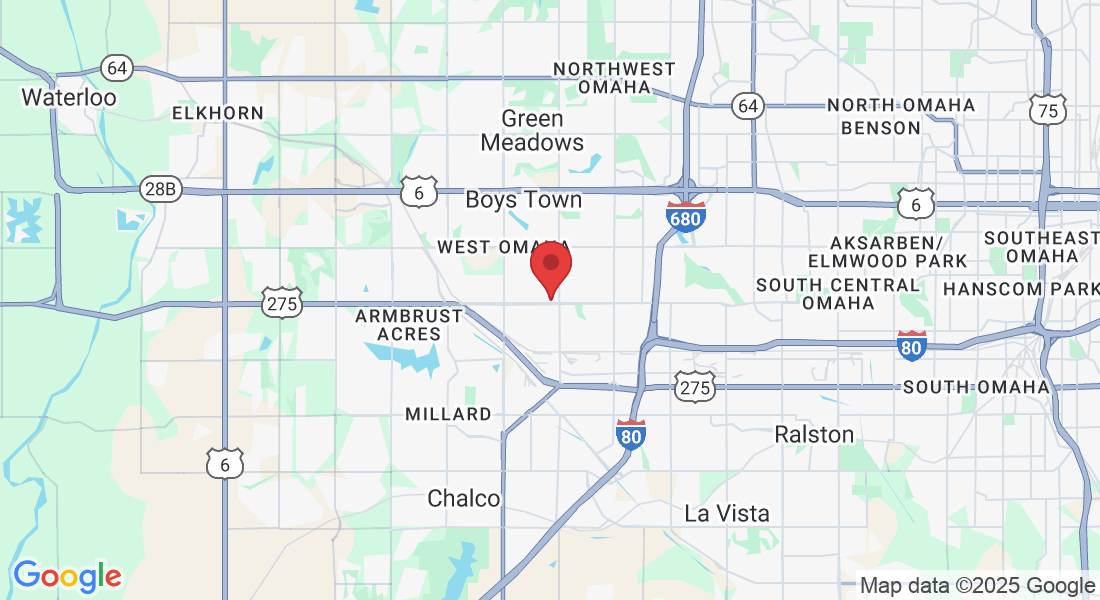
Proudly Serving Omaha and the surrounding areas
MEDICAL DISCLAIMER:
All information on this website is intended for instruction and informational purposes only. The authors are not responsible for any harm or injury that may result. Significant injury risk is possible if you do not follow due diligence and seek suitable professional advice about your injury.
No guarantees of specific results are expressly made or implied on this website.
Copyright © 2025 All Rights Reserved by DRM Wellness.
Facebook
Instagram
LinkedIn
Youtube
TikTok