Blogs
“When health meets heart, the conversation begins, and it starts here.
Knowledge that empowers. Stories that connect. Support that matters.”
~ DRM Wellness
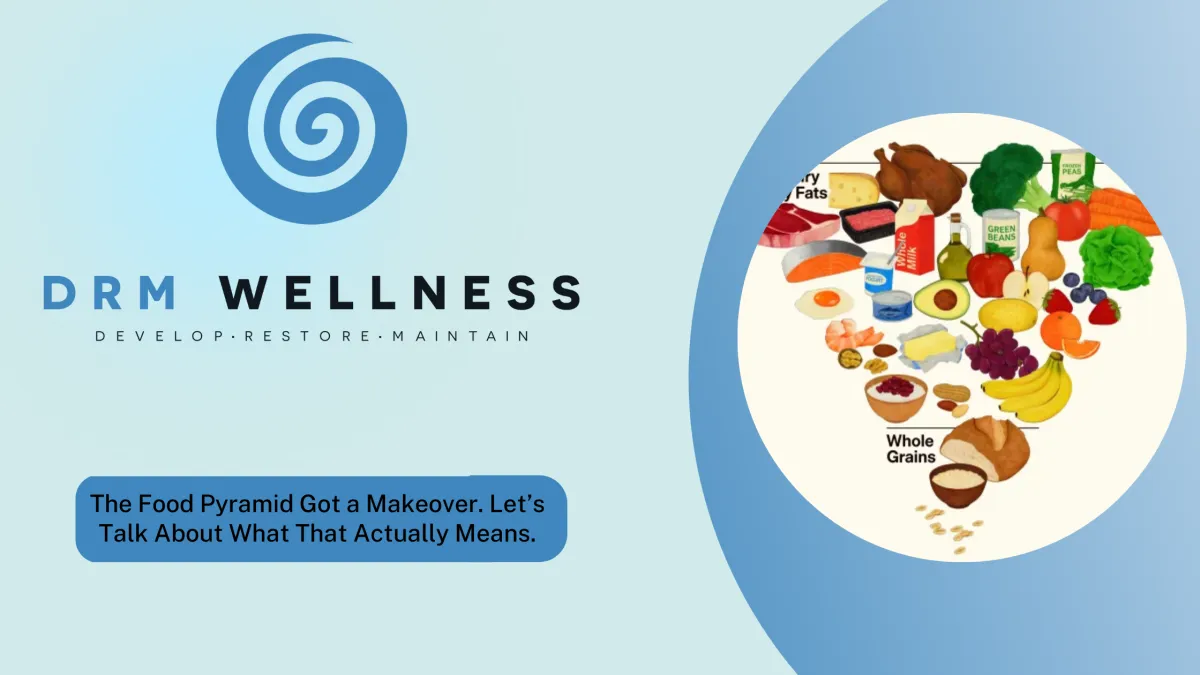
The Food Pyramid Got a Makeover. Let’s Talk About What That Actually Means.
If you grew up staring at a food pyramid taped to a classroom wall, you probably remember this message loud and clear:
Eat lots of bread, cereal, rice, and pasta. Everything else comes later.
Well, that pyramid just got flipped on its head today.
The newest national dietary guidelines introduced a redesigned food pyramid that focuses much less on processed carbs and far more on whole, real foods. While the internet is already arguing about it, there are some solid takeaways we think are worth paying attention to.
Let’s break it down in a way that actually makes sense for real life.
What’s Different About the New Food Pyramid?
The biggest shift is simple: Real food is now the star of the show.
Instead of building meals around grains, the new model emphasizes:
Protein as a foundation
Vegetables and fruits as daily staples
Healthy fats as part of regular eating
Dairy in more natural, less processed forms
Grains in smaller, more intentional amounts
A clear move away from ultra-processed foods and added sugars
In plain language, this pyramid is saying:
Eat food that looks like food.
That means fewer items with long ingredient lists and more meals built from things you recognize.
Why This Shift Actually Makes Sense
From a functional and occupational therapy perspective, this change isn’t shocking. We see the effects of nutrition choices every day.
Highly processed foods are quick, convenient, and heavily marketed, but they often:
Leave people feeling hungry soon after eating
Spike and crash blood sugar
Contribute to inflammation and fatigue
Make weight management harder, not easier
Whole foods tend to do the opposite. They support:
Better energy throughout the day
Improved muscle recovery and strength
Satiety that lasts longer
More stable blood sugar and mood
This matters whether you are trying to stay independent as you age, recover from injury, improve mobility, or simply feel better in your body.
What This Does NOT Mean
Let’s clear this up right away.
This is not about:
Cutting out entire food groups
Demonizing carbs
Eating perfectly
Following another rigid set of rules
Food is not moral. It isn’t good versus evil. It’s about nourishment, function, and what helps your body feel and move its best Eating is not a test. Health is not one-size-fits-all.
This pyramid is a guideline, not a mandate. Your body, medical history, culture, preferences, and goals all matter.
How to Use This Without Overthinking It
If you want to apply the spirit of this new food pyramid without turning meals into a science project, start here:
Build meals around protein first
Add vegetables whenever you can, not just at dinner
Include healthy fats that help you feel satisfied
Choose grains intentionally, not automatically
Reduce packaged foods that rely heavily on added sugars and fillers
Drink more water than anything else
That’s it. No food scale required.
One Simple, Old-School Tip That Still Works
You may have heard this advice before: shop the edges of the grocery store.
There’s a reason it keeps coming up. The perimeter of most grocery stores is where you’ll find the fresh food. Produce, meat, eggs, dairy, and other minimally processed items usually live around the outside. The center aisles tend to hold more packaged, shelf-stable, highly processed foods.
This doesn’t mean you can never go down the middle aisles. It just means starting your shopping trip around the edges can naturally steer you toward foods that support this new food pyramid without needing to overthink it.
That doesn’t mean a bag of Doritos is off-limits or that you can’t buy foods you enjoy. If your cart is mostly full before you ever hit the snack aisle, you’re probably doing just fine.
Sometimes the simplest habits are the most effective.
Why We Like This at DRM Wellness
At DRM Wellness, we focus on developing skills, restoring function, and maintaining independence. Nutrition plays a role in all of that.
Food fuels movement.
Food supports healing.
Food impacts energy, balance, and strength.
We also believe wellness should be judgment-free. This new pyramid moves away from extremes and back toward common sense. Eat real food. Eat enough. Eat in a way that supports your life, not controls it.
The Bottom Line
The new food pyramid isn’t perfect, but it sends an important message: health is built on quality, not just calories or trends.
If you are overwhelmed by nutrition advice, let this be your reset. Focus on foods that nourish your body, support your movement, and fit into your actual daily routine.
And if you want help figuring out what that looks like for you, that’s exactly what we do.
Call us for a consultation about how we can help you develop skills, restore function, and maintain health and independence.


Take The Next Step with DRM Wellness
Testimonials
Get In Touch
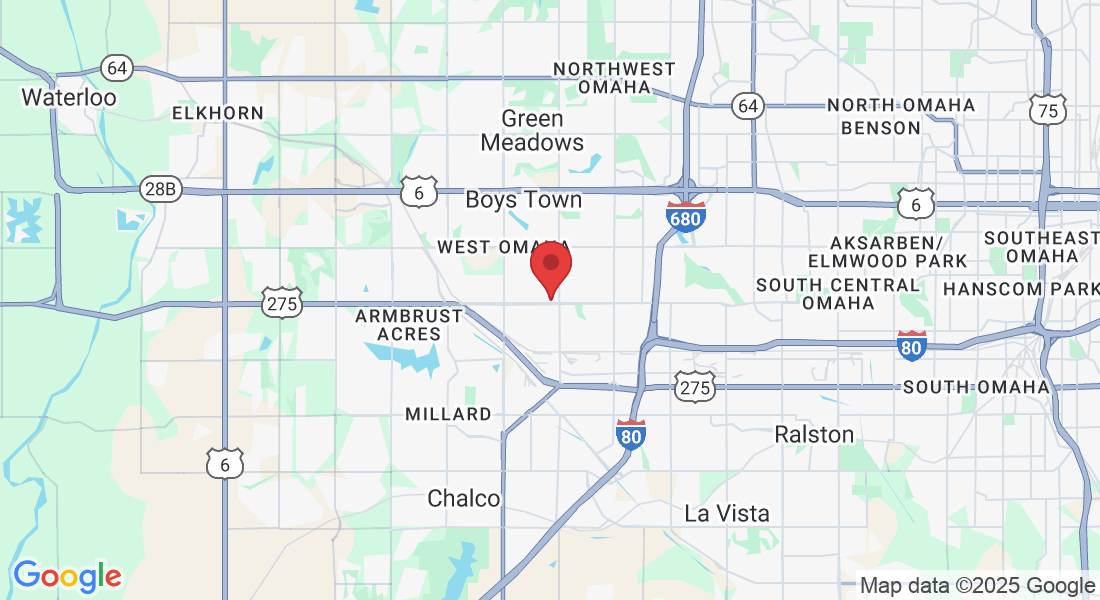
Proudly Serving Omaha and the surrounding areas
MEDICAL DISCLAIMER:
All information on this website is intended for instruction and informational purposes only. The authors are not responsible for any harm or injury that may result. Significant injury risk is possible if you do not follow due diligence and seek suitable professional advice about your injury.
No guarantees of specific results are expressly made or implied on this website.
Copyright © 2025 All Rights Reserved by DRM Wellness.
Facebook
Instagram
LinkedIn
Youtube
TikTok